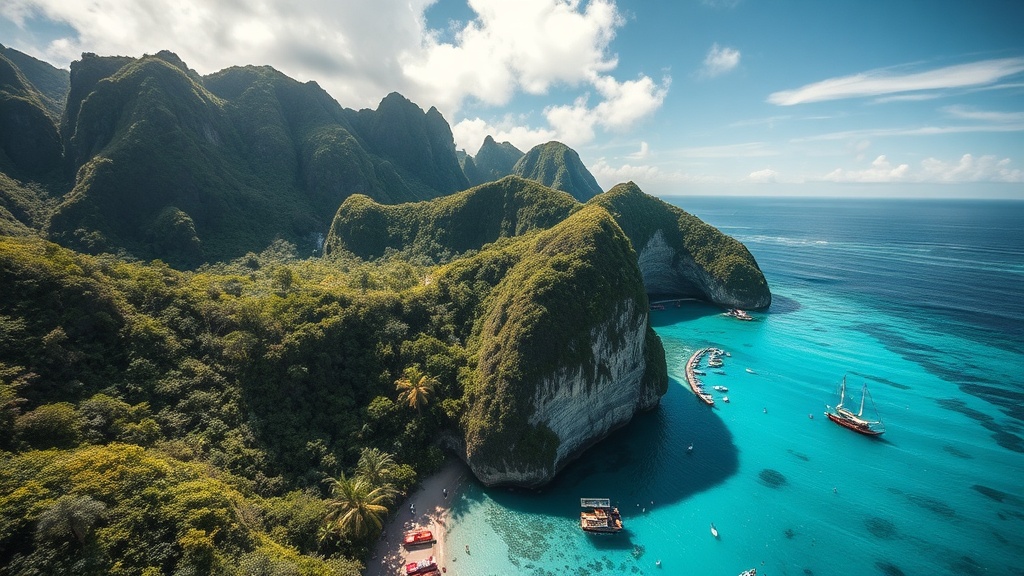
7 Hidden Tropical Paradises You Need to Visit Before Everyone Else
El Nido's Secret Lagoons, Philippines
Coco Privé, Maldives
Lord Howe Island, Australia
Isla Holbox, Mexico
Seychelles' Outer Islands
Some beaches hit different. While crowds flock to Cancun and Maui, a handful of untouched tropical destinations still offer powder-white sand, crystal-clear water, and that rare feeling of having discovered something special. This guide covers seven hidden paradises that remain off the radar—for now. Visit before the secret gets out.
What Are the Most Underrated Tropical Islands in 2025?
The most underrated tropical islands include the Gili Islands (Indonesia), Fernando de Noronha (Brazil), and the Corn Islands (Nicaragua). These destinations offer pristine beaches without the resort crowds you'll find in Bali or the Maldives.
Here's the thing—everyone wants that "undiscovered" beach experience. But true hidden gems are getting harder to find. The spots below combine accessibility (you can actually get there) with authenticity (you won't find a Hard Rock Cafe).
1. Gili Meno, Indonesia
The middle child of the Gili Islands often gets overlooked. Gili Trawangan parties hard. Gili Air attracts yogis. Gili Meno? It's quiet. Car-free. Perfect.
Walk the entire island in ninety minutes. No motorbikes. No honking. Just horse carts, bicycles, and the sound of waves. The beach here rivals anything in the Maldives—white sand, turquoise water, sea turtles swimming ten feet from shore.
Stay at MAHAMAYA Gili Meno for beachfront bungalows with direct reef access. Dine at Karma Reef—tables in the sand, fresh-caught fish grilled over coconut husks.
The catch? Electricity runs on generators. WiFi is spotty. That's kind of the point.
2. Fernando de Noronha, Brazil
Brazil's best-kept secret sits 220 miles off the northeast coast. A volcanic archipelago with just one village, strict environmental controls, and beaches that regularly top "world's best" lists.
National Geographic consistently ranks Baía do Sancho here as the planet's top beach. It's a trek—steep stairs down a cliff face—but the payoff is a crescent of golden sand surrounded by jungle-covered volcanic rock.
Only 450 visitors allowed daily. You need a permit to enter. Bring cash—ATMs don't exist. The restrictions keep crowds thin and the ecosystem pristine.
Snorkel with spinner dolphins at dawn. Dive with reef sharks (harmless, mostly). Watch sea turtles nest at night. Worth noting: this isn't a budget destination. But some places earn their price tag.
3. Little Corn Island, Nicaragua
Big Corn has the airport, the cars, the development. Little Corn? No cars at all. Just a few hundred locals, a handful of guesthouses, and miles of Caribbean coastline.
The water here glows. Unreal shades of blue—turquoise near shore, deep navy on the horizon. The reef sits close enough to swim. Rent gear from Little Corn Beach & Bungalow and drift over coral gardens teeming with parrotfish, rays, and the occasional nurse shark.
Life moves slow. Electricity runs a few hours daily. Fresh lobster costs eight dollars. Reggae plays from beach bars that close by nine. Some travelers find it boring. Others find exactly what they needed.
Where Can You Find Secluded Beaches Without Luxury Resort Prices?
You can find affordable secluded beaches in Southeast Asia (Koh Rong Samloem, Cambodia), Central America (Bocas del Toro, Panama), and the Philippines (Siquijor Island). These destinations offer $20-40 nightly accommodations without sacrificing beach quality.
Budget-conscious travelers often assume "hidden paradise" equals "expensive private island." Not true. The following spots deliver world-class beaches at hostel prices.
4. Koh Rong Samloem, Cambodia
Thailand's islands exploded decades ago. Cambodia's? Still quiet. Koh Rong Samloem (the "L" matters—don't confuse it with party-centric Koh Rong) offers the same powder sand and warm water without the full moon crowds.
Saracen Bay features overwater bungalows at a fraction of Maldivian prices. Lazy Beach faces west—perfect sunsets, calm water, zero hawkers. The interior? Unexplored jungle. Gibbons call at dawn.
Stay at Sol Beach Resort for comfortable rooms under $50. Eat at local seafood shacks where the catch came in that morning. No Starbucks. No McDonald's. Just fresh crab, cold beer, and star-filled skies (no light pollution means incredible stargazing).
5. Isla Holbox, Mexico
The Yucatan's worst-kept secret—but still manageable if you avoid peak season. No paved roads. Golf carts serve as taxis. Flamingos outnumber tourists most mornings.
Holbox sits where the Gulf meets the Caribbean. The water stays shallow for hundreds of yards—you can wade out to sandbars that feel like private islands. From May through September, whale sharks gather offshore. Swim alongside these gentle giants (the world's largest fish) on tours that run about $150 through VIP Holbox.
That said, development is accelerating. New hotels appear monthly. Visit soon.
Which Hidden Tropical Destinations Offer the Best Snorkeling?
The best snorkeling among hidden tropical destinations includes the Trobriand Islands (Papua New Guinea), Apo Island (Philippines), and Roatán's East End (Honduras). These locations feature pristine coral reefs with 100+ feet visibility and diverse marine life.
Not all clear water offers good snorkeling. You need healthy coral, diverse fish populations, and minimal boat traffic. These final two destinations deliver all three.
6. Apo Island, Philippines
A volcanic island off Negros Oriental with exactly one small village and one of the world's oldest community-managed marine sanctuaries. Local fishermen established protected zones back in the 1980s. The result? Coral that looks prehistoric—massive table corals, giant sea fans, schools of jack fish moving like silver clouds.
Turtle encounters are guaranteed. Five species feed in these waters. Hawksbills glide past snorkelers without concern, sometimes surfacing inches away.
Stay on nearby Negros and day-trip over, or rough it in basic beach huts on Apo itself. No hot showers. Limited electricity. The reef? Unbelievable.
7. Roatán East End, Honduras
Roatán's West Bay gets cruise ships. The East End? Gets it right.
Camp Bay Beach stretches for miles with maybe a dozen visitors on busy days. The coral wall here drops from fifteen feet to six hundred—visibility often exceeds 120 feet. Parrotfish, moray eels, eagle rays, and the occasional reef shark.
Stay at Marble Hill Farms for eco-lodging with panoramic Caribbean views. Eat at Cal's Cantina—conch fritters and ice-cold Salva Vida beer. The road here is rough (unpaved, potholed), which filters out casual tourists.
Dive shops like East End Divers run smaller groups than West End operations. More time underwater. Less cattle-boat chaos.
Quick Comparison: Which Hidden Paradise Fits Your Style?
| Destination | Best For | Budget Level | Getting There |
|---|---|---|---|
| Gili Meno | Honeymooners, solitude seekers | Mid-range ($80-150/night) | Fast boat from Bali (2 hours) |
| Fernando de Noronha | Adventure travelers, divers | Luxury ($200-500/night) | Flight from Recife (1 hour) |
| Little Corn Island | Backpackers, digital detox | Budget ($20-60/night) | Flight to Big Corn + panga boat |
| Koh Rong Samloem | Value seekers, couples | Budget ($30-80/night) | Ferry from Sihanoukville |
| Isla Holbox | Families, wildlife enthusiasts | Mid-range ($60-200/night) | Bus/car from Cancún + ferry |
| Apo Island | Snorkelers, marine life lovers | Budget ($15-40/night) | Boat from Dumaguete (1 hour) |
| Roatán East End | Divers, off-grid travelers | Mid-range ($70-150/night) | Direct flights from Houston/Miami |
Practical Tips for Visiting Undiscovered Beaches
Hidden paradises come with hidden challenges. Cash is king—many of these islands lack ATMs. Medical facilities range from limited to nonexistent. Travel insurance isn't optional; it's mandatory. World Nomads covers remote destinations that standard policies exclude.
Pack light but smart. Reef-safe sunscreen (non-negotiable—chemical sunscreens kill coral). Water shoes (urchins sting). A good dry bag (panga boats get wet). Portable chargers (electricity isn't 24/7).
Respect local customs. These aren't tourist resorts—they're fishing villages, indigenous communities, protected ecosystems. Cover up when away from beaches. Learn basic phrases in the local language. Tip generously where appropriate.
Book accommodations directly when possible. Third-party platforms often don't list the smaller guesthouses that make these destinations special. Email ahead. Confirm ferry schedules (they change seasonally). Build buffer days into your itinerary—island time is real, and missed connections happen.
"The best beaches aren't the ones with the most reviews. They're the ones where you show up and wonder why nobody told you sooner."
These seven destinations won't stay hidden forever. Infrastructure improves. Instagram geotags accumulate. The window for experiencing them authentically narrows each year. Pick one. Book the ticket. Thank yourself later.