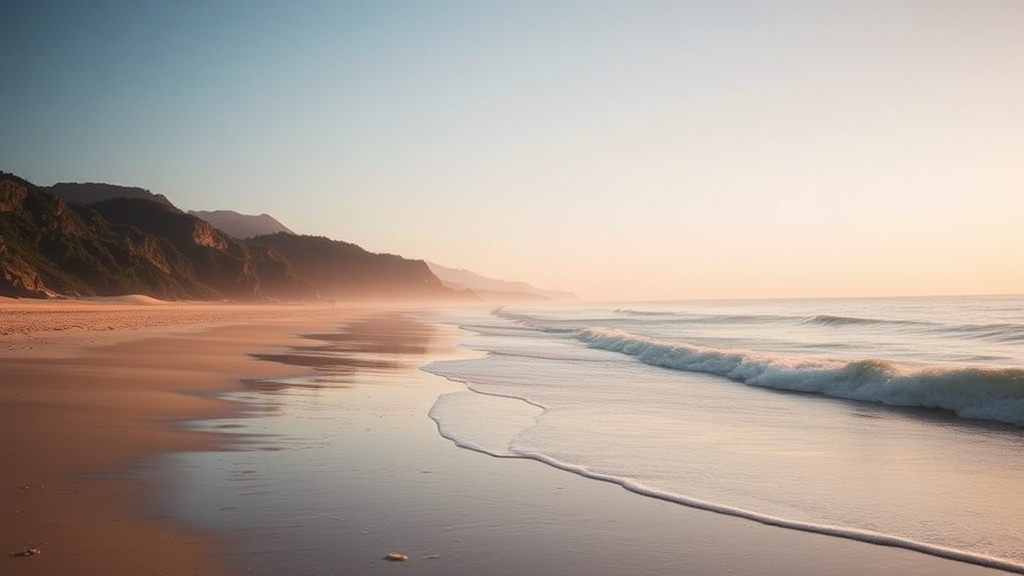
Beat the Crowds: Why Early Morning Beaches Are Paradise Found

Quick Tip
Arrive at the beach within one hour of sunrise to enjoy the calmest waters, best lighting for photos, and a nearly empty shoreline before the midday crowds arrive.
What Time Should You Arrive at the Beach to Avoid Crowds?
Arriving between 7:00 and 8:00 AM guarantees nearly empty shorelines at most popular destinations. This post covers the practical benefits of dawn patrol beach trips — better parking, cooler temperatures, calmer waters, and that golden hour magic — along with specific gear recommendations and real-world timing strategies for families, photographers, and solo travelers. Whether you're planning a Caribbean escape or a Lake Michigan day trip, these early morning tactics transform a crowded tourist trap into your private slice of paradise.
Is Morning Swimming Safer Than Afternoon?
Yes — morning swims are typically safer due to calmer winds, fewer rip currents, and lifeguards starting fresh shifts with full attention. The Atlantic and Pacific coasts often see wind patterns pick up by midday, creating choppier conditions that exhaust casual swimmers. That said, visibility underwater peaks in those first hours too.
The catch? Not all beaches staff lifeguards before 9 or 10 AM. The American Red Cross recommends checking local lifeguard schedules before committing to an early solo swim. Destinations like Miami's South Beach and Huntington Beach, California rotate guard towers starting at 8 AM during summer months — but many smaller Gulf Coast spots don't post sentries until 10.
Best Early Morning Beach Gear
- YETI Hopper M12 — keeps drinks cold for six hours without the bulk of a full cooler
- Shibumi Shade — sets up in seconds, handles morning breezes better than traditional umbrellas
- Voit USCG-approved life vest — lightweight option for kids when guard coverage is spotty
- Garmin inReach Mini 2 — satellite communicator for remote beaches without cell service
What Are the Best Beaches for Sunrise in North America?
The East Coast dominates sunrise viewing — Maine's Old Orchard Beach, Florida's Siesta Key, and North Carolina's Outer Banks deliver consistent morning spectacles. Here's how they stack up for early risers:
| Beach | Best For | Crowd Level at 7 AM | Parking Situation |
|---|---|---|---|
| Siesta Key, FL | Families, powder sand | Nearly empty | Free until 8 AM |
| Old Orchard Beach, ME | Photography, pier views | Locals only | Plenty of street spots |
| Outer Banks, NC | Shell collecting, surfing | Scattered surfers | 4WD access opens at dawn |
| Sleeping Bear Dunes, MI | Hiking, Lake Michigan views | Isolated | NPS lot rarely fills before 9 |
Worth noting: West Coast beaches offer spectacular sunsets but weaker sunrise visibility — the sun rises over land, not water. (Though Santa Monica Pier at dawn has its own moody, industrial charm.)
How Do You Actually Wake Up for Dawn Beach Time?
It's simpler than most travelers think. Book accommodations within 15 minutes of your target beach — that "quick drive" becomes a barrier when you're groggy. Pack the night before. Set one alarm. Not three.
Here's the thing: the first ten minutes feel brutal. But stepping onto cool sand with coffee in hand — watching the sky shift from violet to gold while seabirds work the shoreline — that experience justifies every sacrificed hour of sleep. No fighting for towel space. No screaming kids (except maybe your own). Just the rhythmic crash of waves and enough solitude to hear yourself think.
Local tip from a Detroit perspective: Grand Haven State Park on Lake Michigan rivals any ocean sunrise. The pier lighthouse silhouetted against dawn colors draws photographers from across the Midwest — but arrive by 6:30 AM on summer Saturdays to claim your spot on the north boardwalk. Pure Michigan's beach guide lists dozens of equally quiet alternatives along 3,200 miles of Great Lakes coastline.
The real secret? Most travelers won't do it. They'll sleep in, fight for parking at 11 AM, complain about crowds, and never understand what they missed. You'll know better.