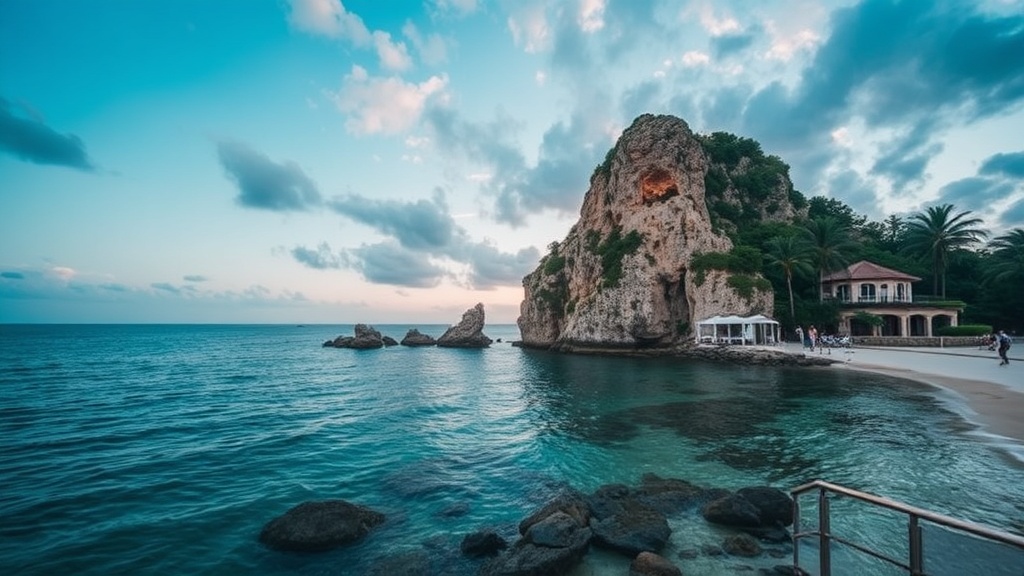
Hidden Coastal Gems for a Quiet Island Retreat

The Secret Cove of Koh Lipe
An untouched Shore in the Seychelles
The Quiet Sands of Palawan
Are you tired of fighting for a square inch of sand at crowded resorts? This post highlights specific, lesser-known coastal destinations where peace and quiet take precedence over party scenes. We're looking at islands that offer genuine seclusion, reliable infrastructure, and the kind of stillness you can't find in the mainstream tourist hubs.
Where Can I Find a Quiet Island Retreat?
You'll find the best quiet retreats in the smaller archipelagos of Southeast Asia and the remote outposts of the Caribbean. While places like Bali or Phuket get all the hype, destinations like the Gili Islands (specifically Gili Meno) or the Marquesas in French Polynesia offer a much more subdued atmosphere. These spots aren't just about being "empty"—they're about having a rhythm that isn't dictated by cruise ship schedules or massive hotel developments.
If you want to avoid the crowds, look for islands that lack a major international airport. Small airstrips or ferry-only access acts as a natural filter. It keeps the heavy crowds away. It also means you might need to pack a bit more foresight into your gear. (I've learned that the hard way more than once.)
The Best Lesser-Known Coastal Destinations
If you want to avoid the "Instagram vs. Reality" disappointment, you need to look at places that don't prioritize mass tourism. Here are a few spots that actually deliver on the promise of a quiet getaway:
- Koh Kood, Thailand: It's one of the last islands in Thailand that hasn't been overrun by massive resorts. The water is crystal clear, and the vibe is incredibly laid back.
- Fernando de Noronha, Brazil: This is a protected volcanic island. Because of strict visitor limits, the beaches stay pristine and relatively empty.
- The Exumas, Bahamas: While parts of the Bahamas are busy, the smaller cays in the Exuma chain offer incredible isolation. It's perfect if you want to spend your days on a boat rather than in a bar.
- Lombok, Indonesia: Just east of Bali, Lombok offers a much more rugged, authentic experience. It’s great for surfers who want to avoid the heavy crowds of Uluwatu.
Before you book, you should check the World Tourism Organization statistics or recent travel advisories to see how much foot traffic a region is actually seeing. It helps to know if a "hidden gem" is about to become a "tourist trap."
One thing to keep in mind: a quiet island often means fewer amenities. You won't find a 24-hour pharmacy or a high-end steakhouse on every corner. You'll need to be more intentional about your supplies. If you're worried about your gear, read my previous post on why packing light won't save your tropical vacation because you'll likely need more than just a toothbrush and a change of clothes.
How Much Does a Remote Island Vacation Cost?
A quiet island vacation usually requires a higher upfront investment in transportation, even if the daily cost of living is lower. You aren't just paying for a room; you're paying for the exclusivity of the location. While a beach bungalow in a major resort might be cheaper, the cost of getting to a remote island via private boat or small plane adds up quickly.
Here is a rough breakdown of what to expect for a mid-range budget in these types of locations:
| Expense Category | Budget Option | Mid-Range Option | Luxury Option |
|---|---|---|---|
| Daily Food & Drink | $20 - $40 | $60 - $100 | $200+ |
| Local Transport | $10 (Scooter) | $50 (Private Driver) | $150+ (Private Boat) |
| Accommodation | $40 (Guesthouse) | $150 (Boutique Villa) | $500+ (Private Estate) |
That said, you can often find great deals if you travel during the "shoulder season." This is the period between the peak tourist season and the monsoon or rainy season. It's a sweet spot for finding high-quality stays at a discount. Just don't expect perfect weather every single day.
Planning Your Arrival
Don't just show up and hope for the best. Many of these remote locations require advance planning for transport. If you're heading to a place like the Marquesas, you can't just grab an Uber. You'll likely be relying on local boat schedules or small-scale air taxis. It's worth noting that these schedules can be... unpredictable. A little patience goes a long way here.
If you're looking for a specific type of stay, you should research how to pick the best beachfront villa. In remote areas, the difference between a "beachfront" view and an actual "beachfront" location can be a huge deal. You don't want to find out after you've arrived that your "ocean view" is actually a view of a coconut grove.
What Should I Pack for a Remote Island?
You should pack high-quality sun protection and reliable electronics that can handle salt and humidity. In remote areas, you can't just run to a local convenience store for a replacement charger or a new pair of polarized sunglasses. Your gear needs to be durable and, most importantly, sufficient for the entire duration of your trip.
I personally never travel to these spots without a reliable power bank and a high-quality water filtration bottle. It's not just about being prepared; it's about being self-sufficient. If the local power grid is finicky—and it often is—you'll be glad you have a way to keep your devices charged. For sun protection, don't settle for cheap drugstore brands. I always bring my Patagonia gear for more rugged excursions, and I use high-zinc sunscreens that actually work in high humidity.
- Sun Protection: A wide-brimmed hat and high-SPF reef-safe sunscreen.
- Hydration: A reusable water bottle with a built-in filter (like a LifeStraw).
- Electronics: A waterproof dry bag for your phone and a portable power bank.
- Footwear: Sturdy sandals and perhaps a pair of water shoes for rocky entries.
It's also a good idea to bring a physical book or a dedicated e-reader. While digital entertainment is great, Wi-Fi in a remote island paradise is often slow, unreliable, or nonexistent. You don't want to be stuck staring at a loading screen for three hours while you're trying to relax. Embrace the disconnection. It's part of the charm.
One final tip: check the local customs and environmental regulations before you go. Many of these beautiful, quiet islands have strict rules about plastic usage or fishing. Respecting these rules isn't just good etiquette—it's how these places stay "hidden" and beautiful for the next generation of travelers. If you want to know more about the nuances of beach-side living, check out how to find the perfect shade in Bali, as the principles of sun management apply everywhere.