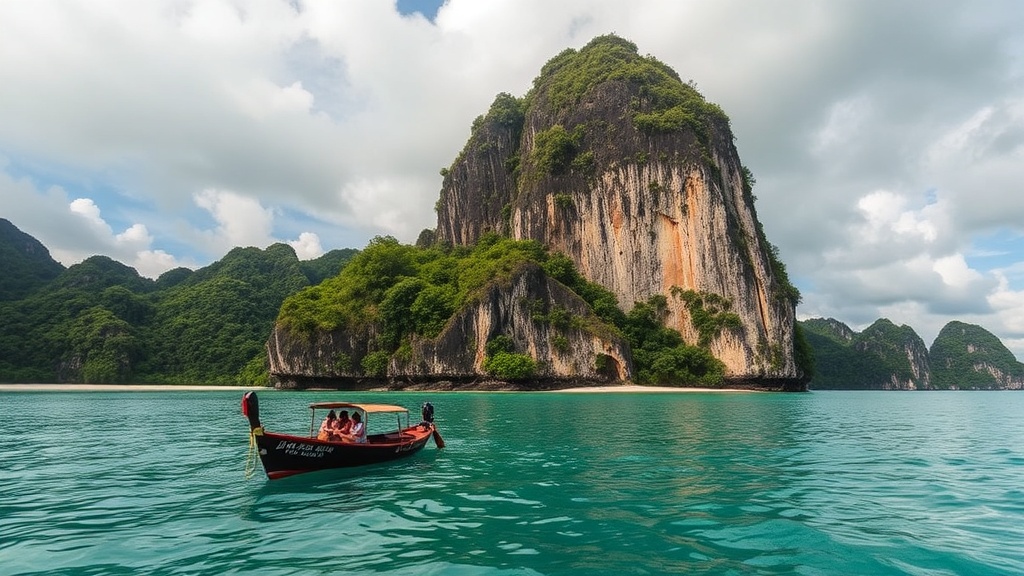
Hidden Paradise: Exploring the Untouched Beaches of Palawan

Palawan's untouched beaches offer something increasingly rare in today's travel space—genuine seclusion without sacrificing comfort. This guide covers the island's most pristine coastal stretches, from El Nido's hidden coves to Coron’s secret lagoons, plus practical details on when to visit, where to stay, and how to explore responsibly. Whether you're planning a two-week escape or a quick island-hopping adventure, you'll find everything needed to experience Palawan before the crowds catch on.
Where Are the Best Hidden Beaches in Palawan?
The best hidden beaches cluster along Palawan's northern and eastern coastlines, particularly around El Nido, Coron, and the lesser-visited Linapacan Islands. El Nido's Secret Beach—made famous by Alex Garland's novel The Beach—remains accessible only through a narrow limestone opening at low tide. That said, the real gems lie further north.
Nacpan Beach stretches four kilometers of untouched golden sand just 45 minutes from El Nido town. Unlike the packed main beaches, Nacpan sees only a handful of visitors daily. The twin beaches—Nacpan and Calitang—meet at a rocky outcrop perfect for sunset photography. Local tricycle drivers charge around 1,500 PHP (roughly $27 USD) for the round trip including wait time.
Coron's Banana Island and Malcapuya Island deliver that Robinson Crusoe fantasy without requiring survival skills. These spots sit within the Calamian Islands group, accessible via day trips from Coron town. The water here shifts from turquoise to deep sapphire within meters— visibility often exceeds 30 feet, making snorkel gear (rentable from Discover Coron tours) absolutely worth packing.
Here's the thing about Linapacan: most travelers skip it entirely. Located midway between El Nido and Coron, this municipality contains some of the clearest waters ever measured—yes, scientifically documented. The area requires private boat charter (expect 8,000-12,000 PHP daily), but the payoff is beaches where footprints vanish with the tide.
What Makes Palawan's Beaches Different from Other Tropical Destinations?
Palawan's beaches combine three rare elements—limestone karst formations, exceptional marine biodiversity, and genuine remoteness—that create an experience distinct from Thailand's Phi Phi Islands or Bali's coast. The limestone cliffs rising directly from crystalline water form natural barriers against overdevelopment. You won't find high-rise hotels blocking the horizon here.
The marine life sets Palawan apart. The Tubbataha Reefs Natural Park, a UNESCO World Heritage site, sits nearby and influences the entire region's ecosystem. Green sea turtles nest on several beaches between November and February. Reef sharks, manta rays, and dugongs (marine mammals related to manatees) frequent the surrounding waters.
| Feature | Palawan | Thailand's Islands | Bali |
|---|---|---|---|
| Average daily visitors per beach | 10-50 | 200-500 | 300+ |
| Development level | Minimal to none | Moderate to high | High |
| Marine biodiversity | Exceptional (600+ fish species) | High | Moderate (damaged reefs) |
| Accessibility | Requires effort | Easy | Very easy |
| Peak season crowds | Manageable | Overwhelming | Extreme |
The catch? Palawan demands more planning. Infrastructure remains basic outside El Nido and Coron town proper. Electricity runs on generators in remote areas. WiFi is spotty at best. But that's precisely why these beaches feel authentic rather than manufactured.
When Is the Best Time to Visit Palawan's Untouched Beaches?
The dry season from November through May delivers optimal conditions—calm seas, clear skies, and minimal rainfall. January and February offer the driest weather though accommodation prices peak during these months. March and April provide the best balance of decent weather and moderate crowds.
Wet season (June through October) isn't impossible—just unpredictable. Afternoon thunderstorms roll in quickly but usually pass within hours. The upside? Lush vegetation, empty beaches, and discounted rates at places like Panluan Beach Resort. The downside involves occasional boat trip cancellations when amihan (northeast monsoon) winds strengthen.
Specific timing matters for certain experiences. Turtle nesting season runs November through February—several beaches including Nagtabon and Marimegmeg offer ethical viewing opportunities through local conservation groups. Whale shark encounters peak between December and May around the Tubbataha area. For underwater photography, April and May provide the calmest surface conditions.
Packing for the Climate
The equatorial sun here doesn't mess around. Reef-safe sunscreen ( brands like Raw Elements or Stream2Sea) protects both skin and marine ecosystems. Standard sunscreens containing oxybenzone are actually banned in several marine protected areas now. Lightweight long-sleeve rash guards work better than constant reapplication.
Water shoes prove invaluable. Those limestone karsts create sharp edges, and sea urchins cluster on rocks. Teva or Keen water sandals handle the terrain well. Dry bags—specifically Sea to Summit or Earth Pak brands—keep electronics safe during island-hopping when waves splash over boat gunwales.
How Do You Explore Responsibly Without Harming These Ecosystems?
Responsible exploration starts with choosing operators who actually care. Look for tour companies displaying the Green Fins certification—an international standard for sustainable marine tourism. These operators avoid anchoring on coral, limit group sizes, and brief guests on proper behavior. In El Nido, Tao Philippines and Kudanil Explorer maintain strong environmental practices.
The "take nothing, leave nothing" rule applies strictly. Even biodegradable items like orange peels or nut shells disrupt local wildlife patterns. Those pristine beaches exist partly because previous visitors respected them—continuing that tradition isn't complicated.
"Palawan's marine ecosystems remain fragile despite their beauty. The coral reefs here grow approximately one centimeter annually. One careless fin kick destroys decades of growth." — Dr. Terence Dacles, Marine Biologist, Palawan State University
Single-use plastic is actively problematic throughout the Philippines. Bring a refillable water bottle—many guesthouses now offer refill stations. Skip the plastic straws in fresh coconut drinks. These small choices accumulate when thousands of visitors make them daily.
Worth noting: the "untouched" descriptor applies to infrastructure, not safety. Currents around some beaches run surprisingly strong. Pay attention to local warnings about jellyfish season (varies by year but typically peaks March through May). The nearest hyperbaric chamber for dive emergencies sits in Puerto Princesa—a reminder that remote beauty carries genuine risk.
Accommodation Options for Different Budgets
El Nido town offers the most developed infrastructure—hostel beds from 800 PHP, mid-range hotels like Spin Designer Hostel around 2,500 PHP, and luxury options such as Cauayan Island Resort starting at 15,000 PHP nightly. The trade-off involves noise, crowds, and a distinctly un-paradise-like atmosphere in town itself.
For genuine seclusion, consider Taytay (northeast Palawan) or San Vicente (west coast). These areas contain the Philippines' longest white sand beach—14 kilometers—and roughly 5% of El Nido's visitor volume. Accommodations range from basic nipa hut rentals to the exceptional Club Agutaya. Transportation requires more effort (charter flights from Manila to San Vicente airport exist but schedules change seasonally).
Coron offers similar stratification. Town proper buzzes with dive shops and restaurants. Offshore, places like Two Seasons Coron Island Resort or Sangat Island Dive Resort provide isolation with full amenities. The diving here—particularly the WWII shipwrecks—ranks among the world's best. OK Divers and Coron Divers maintain excellent safety records.
The ultimate hidden beach experience requires embracing discomfort slightly. Homestays with local families on islands like Culion or Busuanga cost under 1,000 PHP nightly including meals. Electricity runs limited hours. Bathrooms are basic. But the morning view from your hammock? That doesn't have a price tag.
Palawan rewards travelers who arrive prepared and patient. The beaches haven't stayed hidden by accident—they're difficult to reach, challenging to develop, and protected by communities who remember life before tourism. Respect that protection, tread lightly, and you'll discover why veteran travelers speak of this archipelago in hushed, reverent tones. The water really is that blue. The sand really is that soft. And yes—those sea turtles gliding past your snorkel mask are entirely real.