North America's Quiet Trails: Hiking Escapes Far from the Crowds

North America's Quiet Trails: Hiking Escapes Far from the Crowds
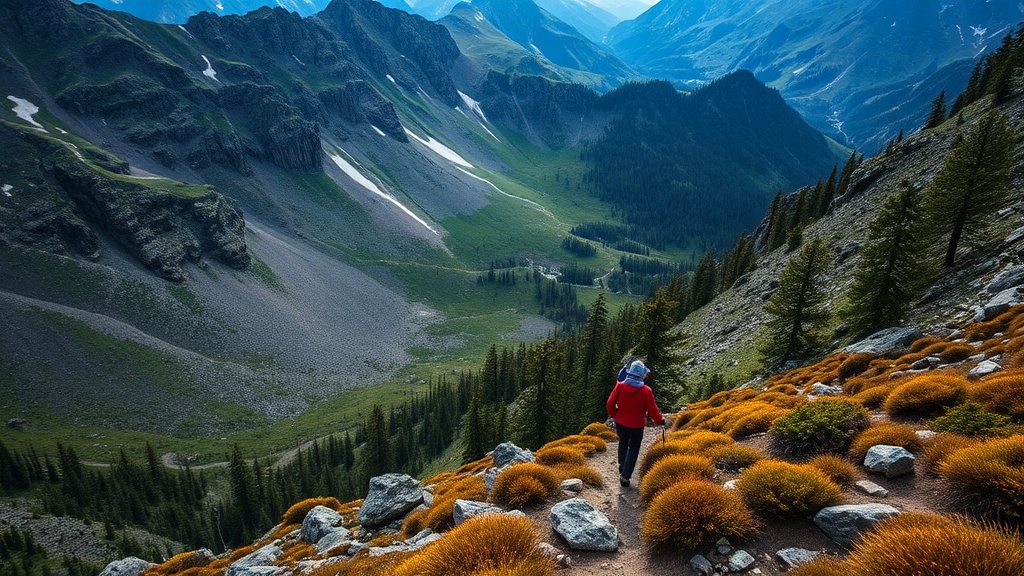
Ever find yourself yearning for a hiking experience where the loudest sound isn't another person's podcast but the rustle of leaves underfoot or the distant call of a hawk? Do you dream of pristine vistas that aren't dotted with dozens of fellow adventurers vying for the same photo op? This post aims to guide you beyond the well-trodden paths, unveiling a collection of North America's most rewarding, yet surprisingly uncrowded, hiking trails. We're focusing on those hidden gems that offer genuine solitude, breathtaking natural beauty, and a chance to truly disconnect—without needing to charter a private jet to the middle of nowhere. Get ready to discover trails that offer a deeper, more personal connection with the wild.
Finding a truly quiet trail in today's increasingly connected world might seem like a tall order. Popular national parks, while undeniably beautiful, often come with bustling trailheads and a constant stream of fellow outdoor enthusiasts. But North America is vast, its wilderness sprawling and diverse. There are still countless routes—from challenging multi-day treks to serene day hikes—that remain overlooked, patiently awaiting the explorer willing to seek them out. These aren't necessarily 'easy' trails; sometimes their very inaccessibility or the lack of mainstream attention is what preserves their magic. However, the payoff is immense: unparalleled peace, intimate wildlife encounters, and scenery that feels like your own private masterpiece.
How can you find genuine solitude on the trail?
Identifying trails that offer true solitude often requires a bit more digging than simply searching for 'top hikes near me.' Start by looking beyond the flagship national parks. State parks, national forests, and wilderness areas, while sometimes less glamorous on paper, frequently harbor incredible trails that see only a fraction of the traffic. Local hiking groups or specialized outdoor forums can be fantastic resources; passionate locals often know the secret spots. Consider visiting during shoulder seasons (late spring, early fall) or even winter, depending on the climate and your preparedness, when crowds are naturally thinner. Weekday excursions are almost always quieter than weekend ones. Beyond that, don't shy away from trails that require a bit more effort to reach—a longer drive down a gravel road, for example, often acts as a natural filter, discouraging casual visitors.
Preparation is your best friend when venturing onto quieter paths. These trails might have less-maintained signage, fewer facilities, and require a higher degree of self-reliance. Always carry a reliable map, a compass or GPS device, and know how to use them. Share your itinerary with someone trustworthy before you go, and pack sufficient water, food, and emergency supplies. Embrace the mindset of a self-sufficient explorer, and you'll unlock a world of tranquil beauty.
1. The Lost Creek Wilderness Loop, Colorado
Nestled in the central Rockies, west of Denver, the Lost Creek Wilderness offers a stark contrast to the often-packed trails of Rocky Mountain National Park. Here, you'll encounter a stunning landscape of granite domes, towering Ponderosa pines, aspen forests, and pristine streams. What makes it special? It feels genuinely wild—a place where nature holds the reins. The network of trails, particularly the longer loops, promises days of hiking with only the sounds of the wind and wildlife for company. You might spot bighorn sheep scaling rocky outcrops or deer grazing in meadows.
This area is a designated wilderness, meaning minimal human interference. Trails can be rugged and challenging, with significant elevation changes that will test your stamina. Backcountry camping is permitted with proper permits, allowing you to immerse yourself fully in the solitude. For a true challenge, consider the approximately 28-mile Wigwam Trail loop, which traverses diverse terrain and offers incredible views. It’s a place to hone your navigation skills and truly disconnect.
2. Cape Chignecto Coastal Trail, Nova Scotia, Canada
Along the dramatic shores of the Bay of Fundy, where the world's highest tides sculpt the landscape, lies the Cape Chignecto Coastal Trail. This isn't a casual stroll; it's a multi-day, strenuous backpacking adventure offering some of the most breathtaking coastal scenery in eastern North America. Imagine walking atop towering sea cliffs, gazing down at pristine coves and remote beaches, then descending through old-growth forests to camp beside the crashing waves. It's a challenging 32-mile (52 km) loop that truly rewards effort with unparalleled views and profound solitude.
The trail features impressive suspension bridges, hidden waterfalls, and abundant wildlife—including seals in the Bay and diverse bird species. Due to its length, elevation changes, and sometimes muddy conditions, it sees far fewer hikers than more accessible coastal paths. Knowledge of tide tables is not just helpful but absolutely necessary for crossing certain sections safely. Prepare for a rugged experience, where the raw power of the ocean meets dense Acadian forests, and tranquility reigns supreme.
3. Isle Royale National Park, Michigan
How about an island wilderness in the middle of Lake Superior, accessible only by ferry or seaplane? Isle Royale National Park is North America's least-visited national park outside of Alaska, and for good reason—it requires significant planning and a commitment to isolation. But for those who make the journey, it offers an experience unlike any other. This roadless island is a true sanctuary for wildlife, famously home to moose and a unique population of wolves, whose ecological relationship has been studied for decades.
The island boasts extensive backcountry trails, pristine inland lakes perfect for canoeing, and rugged coastline. You can spend days—even weeks—hiking across its 45-mile length, encountering very few people. It’s an ideal destination for those seeking profound peace, challenging treks, and a deep immersion in a boreal forest ecosystem. Logistics like ferry reservations and backcountry permits need careful advance planning, but the reward is an unparalleled sense of escape and connection to untamed nature.
What makes a hiking trail truly 'undiscovered'?
The term 'undiscovered' isn't about physical obscurity in the age of satellite mapping, but rather a lack of popular awareness and heavy foot traffic. A truly 'undiscovered' trail often lacks aggressive marketing campaigns from tourism boards. It might not be featured prominently on mainstream travel blogs or social media feeds. Often, these trails are within less-advertised protected areas or are simply longer, more challenging, or require a specific skillset to navigate, thereby self-selecting a smaller pool of adventurers. The 'undiscovered' nature also stems from a lack of infrastructure—you won't find large visitor centers, gift shops, or paved paths here. It’s raw, authentic, and requires a higher degree of self-reliance and respect for the environment. These are the trails where the journey to get there is part of the adventure, and the reward is an unmediated experience with nature.
4. Ozark Highlands Trail, Arkansas
Winding through the deep hardwood forests of northwest Arkansas, the Ozark Highlands Trail (OHT) is a spectacular, albeit often overlooked, gem. While the Appalachian Trail and various Rocky Mountain routes grab the headlines, the OHT offers over 200 miles of diverse terrain: clear, spring-fed streams, dramatic bluff lines, numerous waterfalls (especially in spring), and expansive forest views. It’s particularly appealing for winter hiking, when the lack of foliage opens up stunning vistas, and the weather can be surprisingly mild.
The OHT is known for its quiet beauty and the chance to witness a rich array of flora and fauna. Hikers can choose from shorter section hikes or tackle longer segments, enjoying challenging ascents and serene river crossings. Water sources, while generally available, can be seasonal, so careful planning is essential. This trail is perfect for those who appreciate the subtle grandeur of deciduous forests and the peaceful rhythm of a less-traveled path.
5. The Trans-Catalina Trail, Catalina Island, California
Just off the bustling coast of Southern California, Catalina Island feels a world away. And its Trans-Catalina Trail offers a challenging yet incredibly rewarding 38.5-mile (61.9 km) trek across the island's rugged interior and breathtaking coastline. While day-trippers flock to Avalon, the interior of Catalina remains wild and sparsely populated, home to unique wildlife like the island fox and even American bison, introduced decades ago.
The trail takes you from the bustling town of Avalon, through rolling hills and deep canyons, past secluded beaches, and up to panoramic viewpoints offering sweeping ocean vistas. You'll need permits for backcountry camping—which includes designated sites like Little Harbor and Two Harbors—and ferry reservations to get to and from the island. Prepare for significant elevation changes, sun exposure, and limited water sources. The solitude you find on the ridges, with the Pacific stretching infinitely around you, is simply unparalleled and well worth the planning.
6. Pukaskwa National Park Coastal Hiking Trail, Ontario, Canada
For the truly adventurous seeking extreme solitude and rugged beauty, the Coastal Hiking Trail in Pukaskwa National Park on the northeastern shore of Lake Superior is an unparalleled choice. This 60-kilometer (37-mile) trail is considered one of Canada's most challenging and remote backpacking experiences. It traverses a stunning landscape of ancient granitic coastline, dense boreal forest, and wild, pristine beaches accessible only on foot.
You'll encounter numerous suspension bridges over raging rivers, navigate challenging rock scrambles, and potentially spot caribou or bears in their natural habitat. This isn't a trail for beginners; advanced navigation skills, a high level of physical conditioning, and thorough bear safety precautions are a must. But the reward is an almost spiritual connection with the raw, untamed power of Lake Superior and a solitude so profound it feels like you're one of the last people on earth. Prepare for challenging weather, stunning sunsets, and an unforgettable journey into the heart of the Canadian Shield wilderness.
Are these secluded paths suitable for every hiker?
The short answer is no, not every hiker will find these secluded paths suitable. While some sections might be accessible to those with moderate fitness, the trails highlighted here, and indeed many genuinely 'undiscovered' routes, often demand a higher degree of physical fitness, outdoor experience, and self-reliance. You're less likely to find easily accessible restrooms, water fountains, or immediate emergency services. This means hikers need to be comfortable carrying all their supplies, navigating independently, and handling unexpected situations.
A strong sense of preparedness is more than just packing the right gear; it’s about having the knowledge and skills to use it effectively. Understanding basic first aid, knowing how to purify water, and being proficient with map and compass are invaluable. Beyond that, it's about respecting the environment you're entering. Always practice