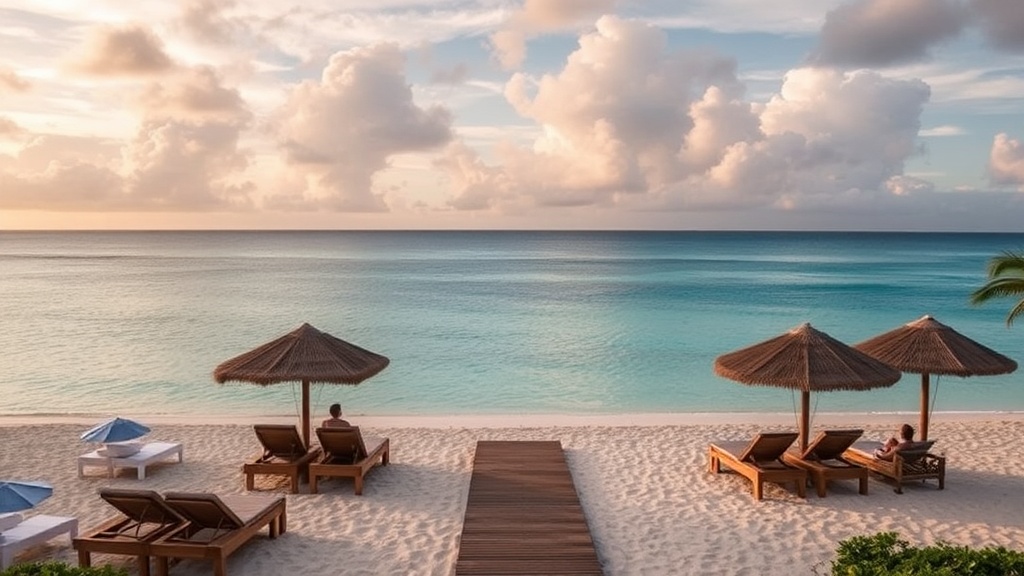
Selecting the Right Tropical Resort for Your Beach Vacation

Imagine stepping off a shuttle after a long flight, feeling the humid, salt-heavy air hit your skin, and expecting a paradise—only to find a lobby that smells like stale cleaning supplies and a pool area crowded by construction debris. It's a common disappointment. Picking a tropical resort isn't just about finding a place with a palm tree; it's about ensuring the reality matches the glossy photos you saw online. This guide breaks down how to vet a property so you don't end up stranded in a mediocre hotel when you should be sipping something cold by the ocean.
The difference between a great stay and a mediocre one often comes down to the details that brochures conveniently leave out. You might want a secluded beach, but the resort could be right next to a loud pier. You might want luxury, but the "luxury" might just mean a fancy lobby while the actual rooms are dated. We're going to look at the specific indicators that tell you if a place is worth your hard-earned money.
What makes a beach resort actually high quality?
When you're looking at a property, don't just look at the professional photography. Professional photographers can make a cramped, dark room look like a sprawling suite. Instead, look for user-generated content. Go to sites like TripAdvisor and look for the photos taken by actual guests. These shots often reveal the true state of the furniture, the cleanliness of the bathroom, and the actual color of the sand. A high-quality resort will have consistent maintenance across all its areas, not just the lobby.
Pay attention to the way the resort manages its amenities. A quality tropical resort doesn't just offer a pool; it offers a well-maintained pool area with enough lounge chairs for the guest capacity. If you see reviews complaining about the lack of seating or the lack of shade, that's a red flag. A good resort understands that your experience outside the room is just as important as the room itself. Check the local weather patterns too—some resorts are better at handling tropical-season humidity and rain than others, often through better indoor amenities or more robust drainage systems.
How do I check the beach quality before booking?
A resort might be located on a beautiful coastline, but that doesn't mean the water is actually swimmable or the sand is comfortable. Some beaches are rocky, filled with sea urchins, or subject to heavy currents. Before you book, you need to verify the accessibility of the water. Are there jetties or rocks that make entering the ocean difficult? Is the sand fine and white, or is it coarse and filled with shells that'll scrape your feet?
One way to vet the water quality is to look at recent ocean reports or local environmental data. For instance, if you're heading to a Caribbean destination, checking the NOAA resources can give you an idea of water temperatures and potential seasonal changes. You should also look for mentions of "water clarity" in reviews. A resort might have a beautiful view of the ocean, but if the water is murky or filled with debris, your swimming experience will suffer. Ask specifically in your booking inquiries if the beach is regularly cleaned and if there are any seasonal seaweed blooms that might affect the area.
The Importance of Location and Proximity
Don't assume that "beachfront" means you have total privacy. Many resorts are part of larger complexes where you'll be sharing the sand with hundreds of other people. If you're looking for a quiet retreat, look for properties that mention "private beach access" or "secluded coves." It's also worth checking how close the resort is to local towns or transport hubs. If you want to explore local food and culture, you'll want to be near a village. If you want total isolation, you'll want to be a significant distance from any major road or port.
Consider the layout of the property. Is the beach a long walk from the rooms? Is there a steep hill you have to climb to get to the water? This matters more than once you've arrived and are carrying a heavy bag or a cooler. A well-designed tropical resort keeps the transition from the room to the sand as seamless and easy as possible.
Are all tropical excursions worth the extra cost?
Resorts often sell their own excursions—boat tours, snorkeling trips, or sunset cruises. While these are convenient, they aren't always the best value. Sometimes, the resort's "private" tour is just a standard local boat with a branded hat. To see if you're getting a deal, look at what the local independent operators are offering. Often, you can find much more authentic and affordable options by stepping outside the resort gates.
- Check the inclusions: Does the excursion include gear like masks and fins, or is that an extra fee?
- Read the fine print: Does the "sunset cruise" actually include food and drinks, or just a view?
- Look for reviews: Search for the specific excursion name on travel forums to see if people felt it was overpriced.
If the resort offers these services, it's usually because they are vetted for quality, but that doesn't mean they are the best price. Use them as a baseline for comparison. If the resort's excursion is significantly more expensive than the local rate, you're paying for the convenience of not leaving the property. Sometimes, that convenience is worth it; other times, it's a total rip-off.
One final tip: always look at the "recent" reviews. A hotel that was a paradise in 2022 might have fallen into disrepair by 2024. A change in management often leads to a change in service quality. If you see a string of complaints about service or maintenance in the last three months, take that seriously. It's better to spend a little more time researching now than to spend your entire vacation frustrated by a lack of service or a broken air conditioner.