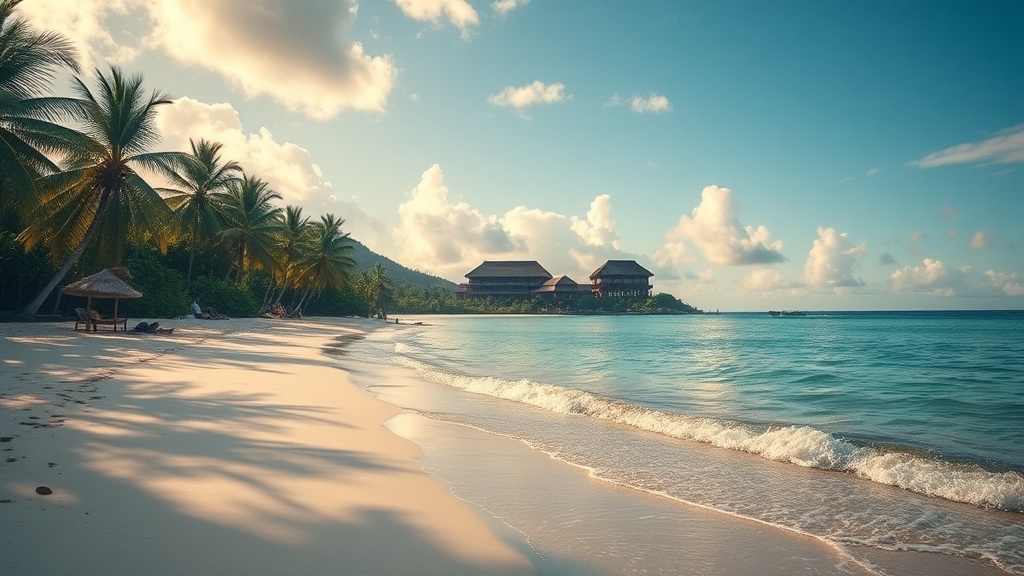
Swimmable or Just Scenic? How to Read a Tropical Beach Before You Visit

You have just arrived at your island destination. The photos online showed powdery white sand and water so blue it looked photoshopped. But when you walk down to the shoreline, you notice something the glossy brochure did not mention: waves crashing hard against the shore, a steep drop-off just three feet from the water's edge, or perhaps red flags snapping in the wind warning swimmers to stay out. That postcard-perfect beach might be gorgeous to look at, but that does not mean it is safe—or enjoyable—to actually swim there. Learning to read a beach before you commit your vacation day to it saves you from disappointment and keeps you out of dangerous situations. This guide breaks down what separates beaches built for swimming from those better suited for photography, sunbathing, or watching the waves roll in.
What Do Beach Flag Colors Actually Mean?
Most established beaches in tropical destinations use a flag system to communicate water conditions to visitors. These are not decorations—they are safety warnings you should understand before setting foot in the water. A green flag means calm conditions and that swimming is generally safe for most people. Yellow flags signal moderate surf or currents; you can enter the water, but you should exercise caution and avoid swimming alone. Red flags mean dangerous conditions—either strong currents, large waves, or both—and you should stay out of the water entirely. Some locations use purple flags to warn about hazardous marine life like jellyfish or stingrays in the area.
The trouble starts when travelers ignore these warnings because the water "looks fine" from the shore. Rip currents—the narrow channels of fast-moving water that pull swimmers away from shore—are often invisible from the beach surface. You might see gentle waves lapping at the sand while a powerful current churns underneath. When red flags are flying, lifeguards are not being overly cautious. They are accounting for conditions you cannot see. The American Red Cross water safety guidelines emphasize that flags are posted based on professional assessments of current conditions, not general warnings.
Keep in mind that flag systems vary slightly by country. In Mexico and much of the Caribbean, the green-yellow-red-purple system is standard. In some European beach destinations, you might see blue flags indicating high water quality. Before your trip, spend five minutes looking up the specific flag system used at your destination. It is a small step that prevents major problems once you are standing on the sand trying to decide whether to swim.
How Can You Spot Dangerous Shorebreak and Entry Conditions?
Not all swimming hazards come from currents. Some beaches feature shorebreak—waves that break directly on the shore with significant force. This happens when the ocean floor drops off abruptly rather than gradually. You might step into ankle-deep water, take two more steps, and suddenly find yourself in water over your head as a wave crashes down. Shorebreak causes more neck and spinal injuries among beachgoers than most people realize. It is especially common on beaches with coral reefs close to shore, where the underwater topography changes suddenly.
Look at how the waves are behaving before you commit to entering the water. If waves are breaking as white foam directly on the sand rather than further out, you are likely dealing with shorebreak conditions. Watch other swimmers if they are present. Are they walking in gradually, or do they seem to be jumping to avoid being knocked down? Are children able to play at the water's edge safely, or are adults keeping them back from the wash? These observations tell you more than any sign posted at the beach entrance.
Sand quality also affects swimmability in ways that might surprise you. Coarse, pebbly beaches are harder on your feet and make entering the water uncomfortable. Beaches with steep slopes into the water create undertows that pull you backward as waves recede. The ideal swimming beach has a gentle gradient—sand that stays shallow for a reasonable distance, allowing you to ease into deeper water gradually. Caribbean islands like Aruba and the Dominican Republic are known for beaches with these gradual entries, which is part of why they have become such popular destinations for families with young children.
Why Do Some Beautiful Beaches Have Poor Water Clarity?
That Instagram photo showed water so clear you could see your toes wiggling on the sandy bottom five feet down. Then you arrive and find murky, greenish water where you cannot see your own knees. Water clarity depends on several factors, and understanding them helps you set realistic expectations. Sandy bottoms generally produce clearer water than beaches near river mouths or mangrove forests, where tannins and sediment cloud the water. Wave action also plays a role—calm days produce clearer conditions than days with heavy surf stirring up the bottom.
Some of the most beautiful beaches in the world have naturally turbid water. Beaches on Thailand's Andaman Coast, for example, often have clearer water during the dry season (November to April) than during monsoon months when runoff increases. The National Oceanic and Atmospheric Administration explains that water color and clarity are influenced by depth, algae content, and suspended particles. Murky water does not necessarily mean dirty water—it might simply mean sand is being naturally circulated by wave action.
If snorkeling or observing marine life matters to you, water clarity becomes even more important. Poor visibility ruins the experience and can actually be dangerous if you are swimming near boats or rocky outcrops you cannot see. Before booking accommodations, check recent traveler photos on forums rather than relying on professional resort photography. Photos taken by regular visitors in the past few weeks give you a better sense of current conditions than marketing materials shot during optimal weather windows.
Seasonal variations affect swimmability more than many travelers realize. That secluded beach your friend raved about last March might be completely different in August. Wind patterns shift, bringing rougher seas to different coasts of an island depending on the time of year. The eastern coasts of most Caribbean islands face the Atlantic and tend to have rougher surf, while western coasts face the Caribbean Sea and typically offer calmer swimming conditions. During winter months, northern swells can make even normally calm beaches treacherous for swimming.
Researching specific beaches before your trip pays dividends. Resources like Beach Weather provide current conditions and historical data about water quality and wave heights at popular destinations. Local tourism boards often post weekly beach condition reports that highlight which shores are best for swimming versus surfing or walking. These reports exist because conditions change—and a beach that was perfect for a morning swim might see afternoon winds that churn up the water significantly.
Talk to locals once you arrive. Hotel staff, taxi drivers, and restaurant workers know which beaches are currently swimmable and which ones to avoid. They understand the subtle rhythms of their coastline in ways no guidebook can capture. A beach might look perfect but have recent reports of jellyfish blooms, unexpected riptides after a storm, or temporary pollution from a nearby construction project. Local knowledge fills the gaps that online research cannot cover.
Your tropical vacation should include time in the water if that is what you enjoy. The key is matching your expectations to reality. Some beaches exist for walking, shell collecting, and watching spectacular sunsets. Others are built for floating in calm, clear water for hours. Both have their place in a well-planned trip. Learning to tell the difference before you pack your beach bag ensures you spend your days exactly as you envisioned—whether that means diving into warm turquoise waves or staying dry on the sand with a good book and a cold drink.