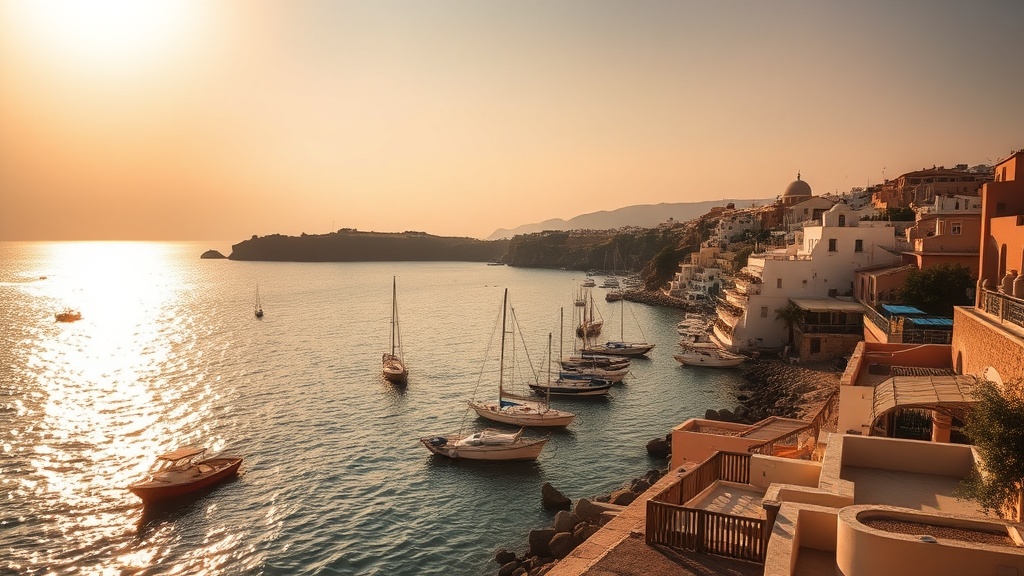
Where to Find Real Sun in the Mediterranean Sea

Why a Mediterranean Vacation Isn't Always Sunny
Most people assume that booking a trip to the Mediterranean guarantees a constant stream of golden rays and clear skies. They see the postcard-perfect imagery of white-washed walls and turquoise waters and assume that sunshine is a default setting for the region. It isn't. Depending on the month you choose, you might find yourself staring at gray clouds over the Adriatic or dealing with heavy mist along the French Riviera. Understanding the seasonal shifts in weather patterns is the only way to actually secure the warmth you're looking for.
This guide breaks down the specific regions that offer the highest probability of bright days, the best months to visit to avoid the rainy seasons, and how to pick a base that maximizes your time outdoors. Whether you're looking for a beach in Greece or a coastal stroll in Italy, the timing of your trip determines your satisfaction level.
Which Mediterranean Countries Have the Most Sunny Days?
If your primary goal is to soak up the sun, you can't treat every coastal country the same. While the entire region enjoys a Mediterranean climate, the northern parts of the sea are far more temperamental than the southern reaches. For example, the northern coastlines of Italy and the French Riviera can experience significant rainfall during the late autumn and early spring. If you want to avoid the clouds, you need to look toward the south.
The following table compares the average sunny days per year across several popular Mediterranean hubs to help you decide where to point your compass:
| Region | Primary Vibe | Avg. Sunny Days/Year |
|---|---|---|
| Crete, Greece | Rugged & Sunny | ~280 |
| Southern Spain | Vibrant & Warm | ~300 |
| Amalfi Coast, Italy | Dramatic & Scenic | ~250 |
| Turkish Riviera | Luxurious & Bright | ~290 |
As you can see, Crete and the Turkish Riviera are heavy hitters when it comes to consistent brightness. If you head to the Amalfi Coast in November, you'll likely encounter more rain than sun. It's a beautiful area, but the weather is much more fickle than the southern shores of Greece or Turkey. This isn't just about luck; it's about geography. The closer you are to the African coast, the more reliable the sun becomes.
When is the Best Time to Visit for Guaranteed Sunshine?
Timing is everything. If you show up in May, you might get beautiful weather, but you'll also face the possibility of spring showers. If you arrive in August, you'll certainly get the sun, but you'll also be fighting the crowds and the intense heat. Finding the sweet spot requires a bit of nuance.
- The Early Summer Window (June): This is arguably the best time for most travelers. The days are long, the heat isn't yet oppressive, and the chance of heavy rain is statistically low.
- The Late Summer Stretch (September): Many seasoned travelers prefer September. The sea is still warm from the summer heat, the crowds have thinned out, and the weather remains remarkably stable.
- The Winter Risk (November - March): Avoid this period if your heart is set on sunbathing. While parts of Greece and Spain stay mild, the chance of gray skies and rain increases significantly during these months.
To get a more scientific look at historical weather patterns, I highly recommend checking the