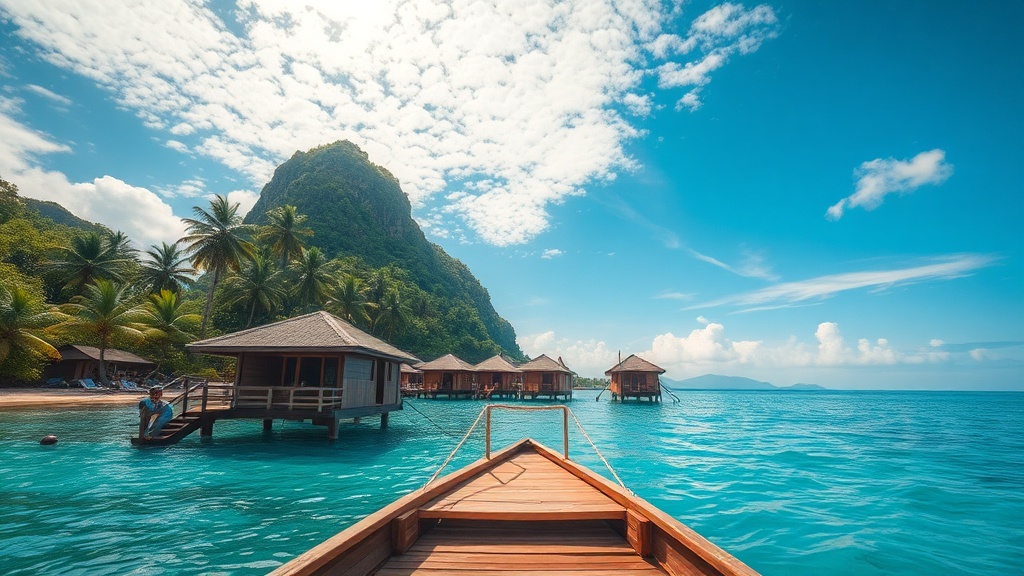
Why Tropical Island Hopping Changes Everything About Your Vacation

Did you know that over 70% of the world's coastline is actually underwater? While most travelers focus on the sand, the real magic of a tropical escape lies in the movement between islands. This post covers the logistics, the sensory shifts, and the practical realities of moving from one tropical paradise to another. Understanding the rhythm of island-hopping is what separates a standard beach holiday from a transformative experience.
When you decide to skip the single-resort stay in favor of a multi-island trek, you aren't just changing locations—you're changing your entire perspective. You'll see different shades of turquoise, taste different regional spices, and experience varying degrees of local culture. It's a high-reward way to travel, but it requires a specific mindset to avoid the common pitfalls of logistical fatigue.
Is Island Hopping Worth the Extra Effort?
The short answer is yes, provided you don't try to do too much at once. A single island can offer plenty of relaxation, but hopping allows you to see the diversity of an archipelago. For instance, one island might be famous for its rugged volcanic cliffs and intense water sports, while the next is a flat, palm-fringed haven for lounging. This contrast is where the excitement lives.
To do this right, you have to accept that you won't see everything. If you try to hit five islands in seven days, you'll spend more time on boats and in terminals than actually touching sand. A smart approach involves choosing two or three distinct hubs. This gives you enough time to settle into a rhythm before moving on. You can find excellent data on maritime travel and weather patterns through the National Ocean Service to better understand the sea conditions you'll face.
What Makes a Good Island-Hopping Route?
A successful route isn't just about the prettiest beaches; it's about the connections between them. You need to look at how easy it is to move between points. Are there frequent ferry schedules? Are there small-scale domestic flights? A route that looks great on a map might be a nightmare in practice if the transit between islands takes six hours of bumpy boat rides.
Consider these three factors when mapping out your path:
- Transit Reliability: Does the island rely on expensive private charters or affordable public ferries?
- Diversity of Vibe: Are you moving from a party island to a quiet retreat, or is everything the same?
- Connectivity: Can you easily find local transport once you land on a new shore?
Don't forget to check the Lonely Planet guides for specific regional transit tips, as they often have updated info on local transport-specific nuances that big-box travel sites miss.
How Do You Pack for Multiple Island Destinations?
Packing for an island-hopping adventure is a delicate balancing act. You're moving between different micro-climates and varying levels of luxury. One island might have a high-end resort with a formal dress code for dinner, while the next is a rustic backpacker haven where you'll be wearing linen shorts and flip-flops 24/7. You can't just bring a single wardrobe; you need a modular one.
The goal is to keep your gear light. If you're switching islands via small boats or local ferries, you won't want to be wrestling with a massive, heavy suitcase. A high-quality, water-resistant backpack or a medium-sized duffel is usually a better bet than a hard-shell rolling suitcase. You'll thank yourself when you're lifting your bags onto a wooden skiff in the middle of a dock.
| Item Type | What to Bring | Why It Matters |
|---|---|---|
| Footwear | One pair of sturdy sandals, one pair of water shoes | Sand can get incredibly hot, and rocky shores are common. |
| Clothing | Breathable linen and quick-dry fabrics | Cotton stays wet in high humidity; linen keeps you cool. |
| Tech | Dry bags and a portable power bank | Salt air and humidity are tough on electronics. |
Always carry a small "day bag" that contains your essentials—sunscreen, water, and a camera—so you don't have to dig through your main luggage while you're on a boat or waiting in a terminal. This keeps your transition between destinations seamless and stress-free.
How Can You Minimize Transit Stress?
The biggest fear for many travelers is the "lost in transit" scenario. You arrive at a dock, and the boat you were supposed to take isn't there. To avoid this, always build in a buffer. Never book a tight connection between a flight and a ferry. If a flight is delayed by an hour, you could miss your boat and lose an entire day of your vacation.
Another way to stay sane is to book your transport in advance whenever possible. While spontaneity is great, the most reliable ways to move between islands—like certain high-speed ferries or small regional airlines—often sell out or require reservations. Even if you're on a budget, knowing your exit strategy from an island will save you from a last-minute panic.
Lastly, keep a digital and physical copy of your itinerary. In remote tropical areas, cell service can be spotty or non-existent. Having a printed copy of your ferry ticket or boat departure time means you won't be stuck staring at a loading screen while the sun goes down. It's about being prepared for the reality of tropical travel, where things don't always go according to the digital plan.